

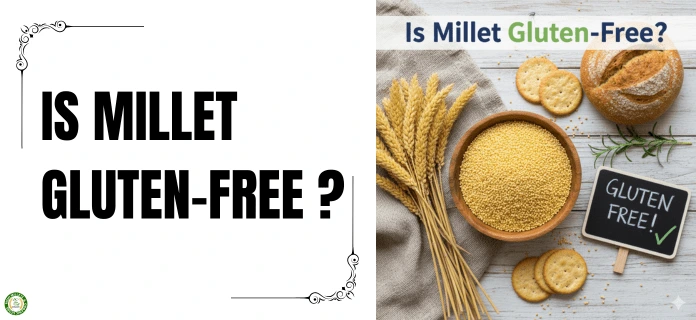
Is Millet Gluten Free?
Millets are ancient grains known for their high nutrition and versatility. As more people look for healthy and gluten-free alternatives to wheat, the question often arises — Is millet gluten free? The simple answer is yes, most millets are naturally gluten-free. However, there are a few important things to understand before adding them to your gluten-free diet.
Understanding Gluten and Its Effects
Gluten is a type of protein found in grains like wheat, barley, and rye. While it gives dough its elasticity, it can cause problems for people who have celiac disease or gluten sensitivity. For such individuals, consuming gluten can lead to digestive discomfort, bloating, fatigue, and nutrient absorption issues. That’s why gluten-free grains like millets have become a healthy and safe choice for many.
Which Millets are Naturally Gluten Free
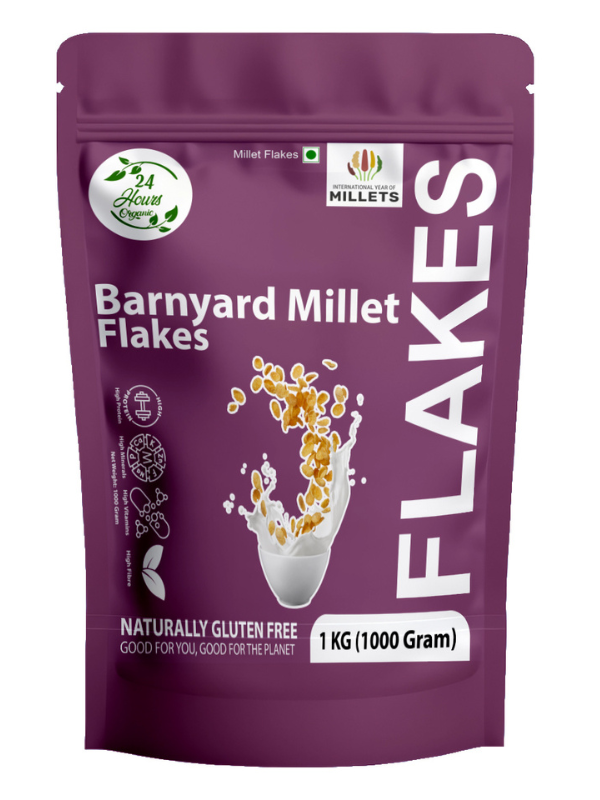
Most types of millets are naturally gluten-free, making them perfect for people who cannot consume wheat. These include:
These grains are rich in fiber, protein, and minerals, and they don’t contain the gluten protein that causes allergic reactions.
Millets That May Contain Trace Gluten (due to processing)
While millets themselves are gluten-free, cross-contamination can happen during cleaning, grinding, or packaging if the same machines are used for wheat or barley. So, always look for labels like “Certified Gluten-Free” or buy from trusted organic stores that maintain separate processing equipment.
Health Benefits of Gluten-Free Millets
Good for Digestion and Gut Health
Millets are rich in dietary fiber, which supports healthy digestion and helps prevent constipation. Their natural fiber content also promotes the growth of good gut bacteria.
Helps Manage Weight and Diabetes
Millets have a low glycemic index, meaning they release energy slowly. This helps in controlling blood sugar levels and reducing unnecessary hunger, making them great for weight and diabetes management.
Suitable for Celiac and Gluten-Sensitive Individuals
Since millets do not contain gluten, they are completely safe for people with celiac disease or gluten intolerance. Including millets in daily meals provides energy and essential nutrients without causing inflammation or digestive distress.
How to Include Gluten-Free Millets in Your Daily Diet
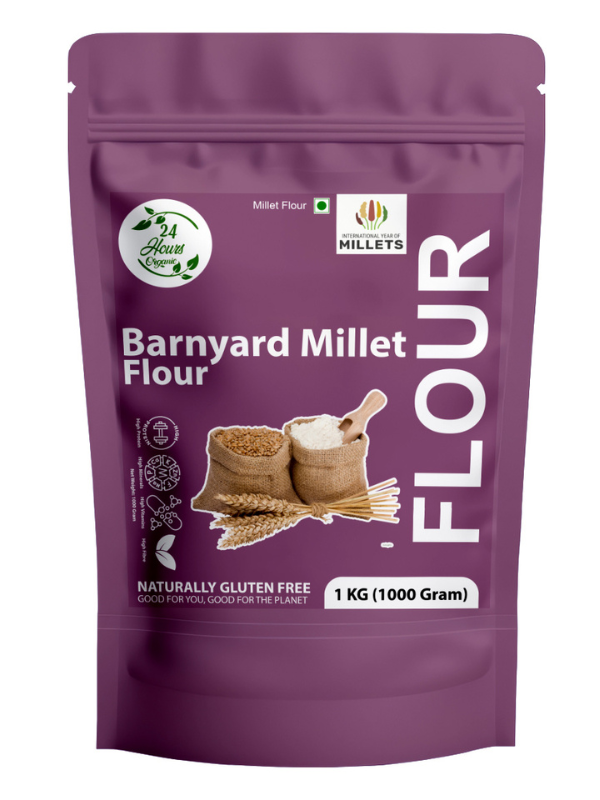
Millet Flour for Rotis, Dosas, and Baking
You can replace wheat flour with millet flour for making rotis, parathas, pancakes, and even cakes. Foxtail or ragi flour adds a light, nutty flavor to your dishes.
Millet-based Breakfast Ideas
Start your day with millet porridge, upma, or poha. These are tasty, light, and nutritious breakfast options that keep you full for longer.
Ready-to-Cook Millet Products Available
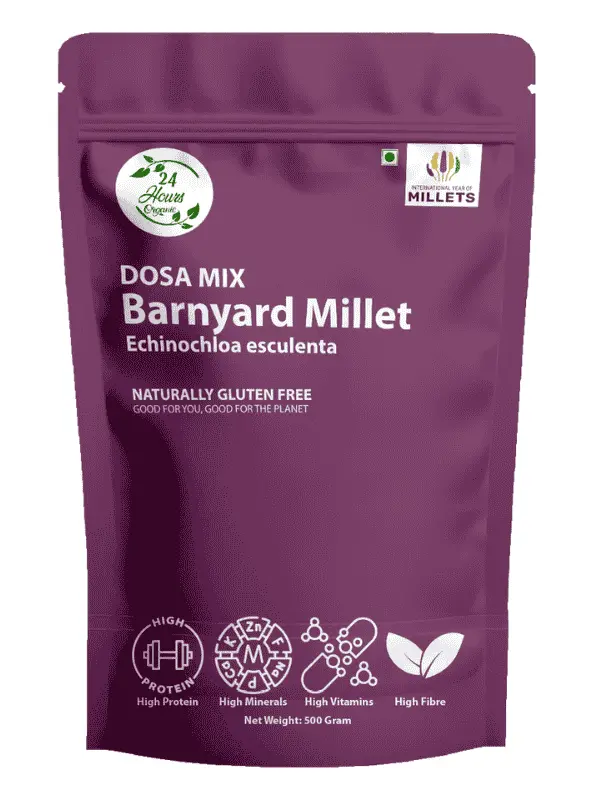
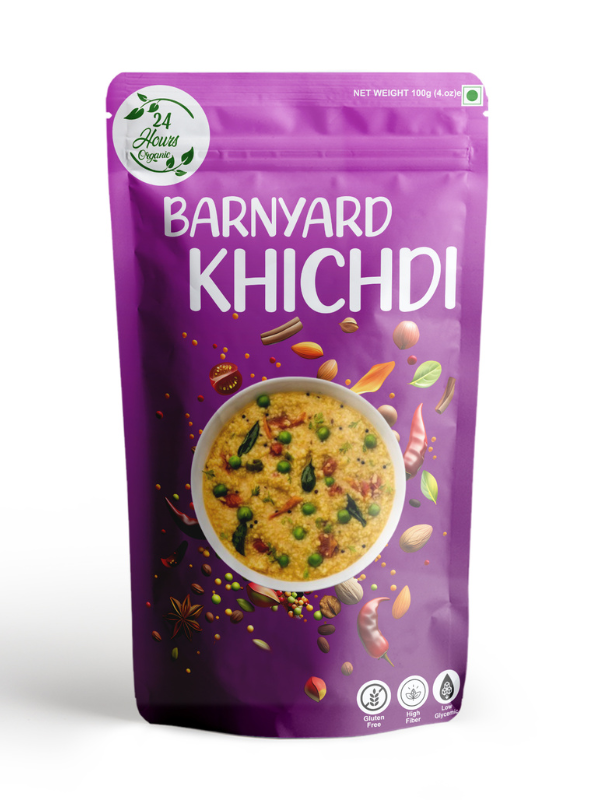
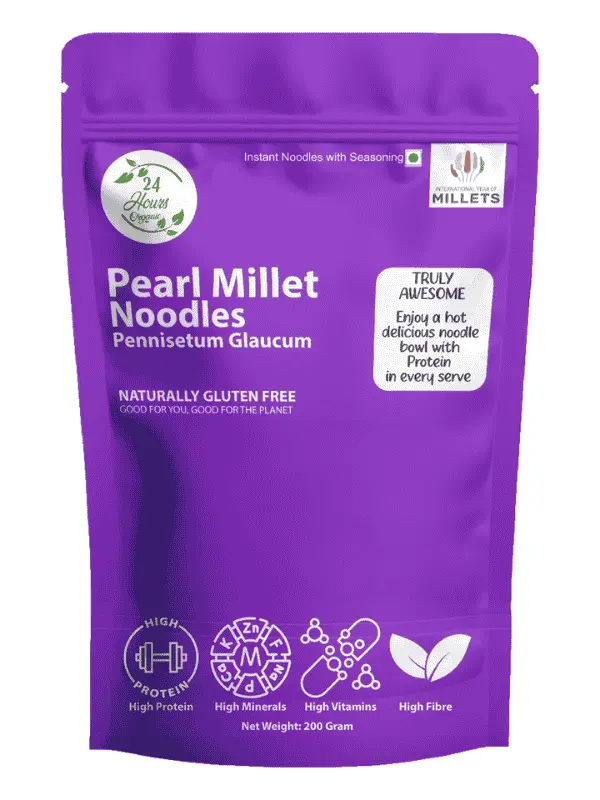
If you have a busy lifestyle, you can choose ready-to-cook millet mixes like dosa batter, khichdi mix, or instant millet noodles easily available in health stores or online.
Tips for Buying and Storing Millets
How to Ensure Millets are 100% Gluten-Free
Always check for “gluten-free” certification and prefer brands that handle their products in a gluten-free environment. Avoid bulk bins if you’re unsure about contamination.
Why Choose Organic Millets
Organic millets are grown without chemicals or pesticides, preserving their natural nutrients. Choosing organic also ensures cleaner, safer food for your family.
Why Millets are the Best Alternative to Wheat
Millets are wholesome, easy to digest, and a perfect replacement for wheat. They are gluten-free, rich in nutrients, and suitable for all age groups — from kids to the elderly.
Where to Buy Authentic Gluten-Free Millets (e.g., Rishi Millets & Organic Store, Dwarka 23B)
If you’re looking for fresh, certified, and organic millets, visit Rishi Millets & Organic Store, Dwarka 23B. You’ll find a wide variety of gluten-free millets, flours, and ready-to-cook millet-based products — all naturally healthy and chemical-free.
Frequently Asked Questions
Q1. Is millet completely gluten free?
Yes, most millets are naturally gluten free. However, always check for “gluten-free” labels to ensure there’s no cross-contamination during processing.
Q2. Which millets are best for a gluten-free diet?
Foxtail millet, little millet, barnyard millet, kodo millet, proso millet, and finger millet (ragi) are all excellent gluten-free options.
Q3. Can people with celiac disease eat millet?
Yes, people with celiac disease can safely eat millet as long as it is certified gluten free and not processed with wheat or barley.
Q4. Are millets healthier than wheat?
Millets are rich in fiber, protein, and minerals while being gluten free. They are easier to digest and support better blood sugar control than wheat.
Q5. How can I include gluten-free millets in my meals?
You can use millet flour for rotis and dosas, make millet porridge for breakfast, or try ready-to-cook millet mixes available in organic stores.
Q6. Where can I buy gluten-free millets?
You can buy certified gluten-free millets from trusted stores like Rishi Millets & Organic Store, Dwarka 23B, or other reputed organic outlets.