


Millets have become very popular for healthy living. They are rich in fibre, minerals and are great for digestion. But many people still wonder, “Does millet cause constipation?”
The short answer is:
No, millets do not cause constipation.
In fact, they help prevent it when cooked and consumed properly.
However, some people may feel constipated after eating millets due to wrong cooking methods or low water intake. Let’s understand this better.
Why People Think Millets Cause Constipation
Millets are fibre-rich grains. If your body is not used to fibre, you may feel bloating or constipation in the beginning.
Common reasons include:
- Not drinking enough water
- Eating too much millet suddenly
- Not soaking millets before cooking
- Using refined millet flour instead of whole millet
- Weak digestion or sudden fibre boost
So the problem is not millet. It is how we eat it.
Benefits of Millets for Digestion
Millets actually support better digestion:
- Smooth bowel movement
- Prevents constipation naturally
- Improves gut bacteria
- Helps in detoxification
- Keeps stomach light and active
Regular millet consumption can make your digestive system stronger.
Best Millets for Smooth Digestion
These millets are gentle on the stomach:
Millet Benefits
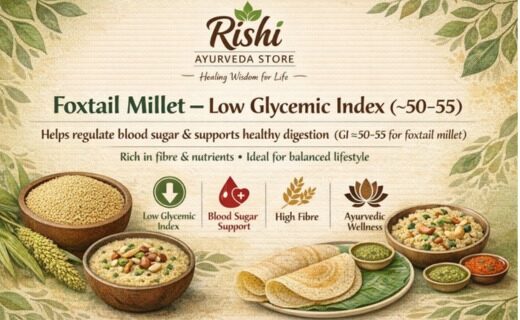
Foxtail Millet is Light and digestion-friendly
Little Millet is Easy to digest & hydrating
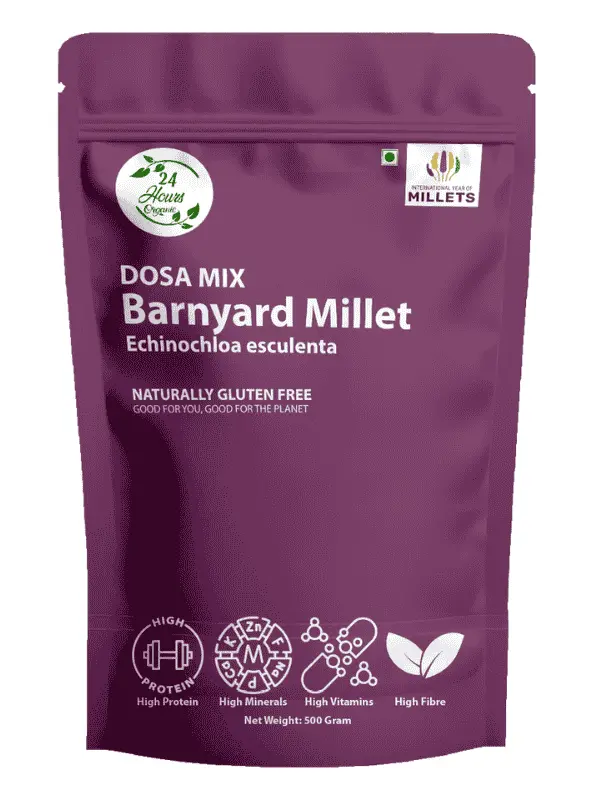
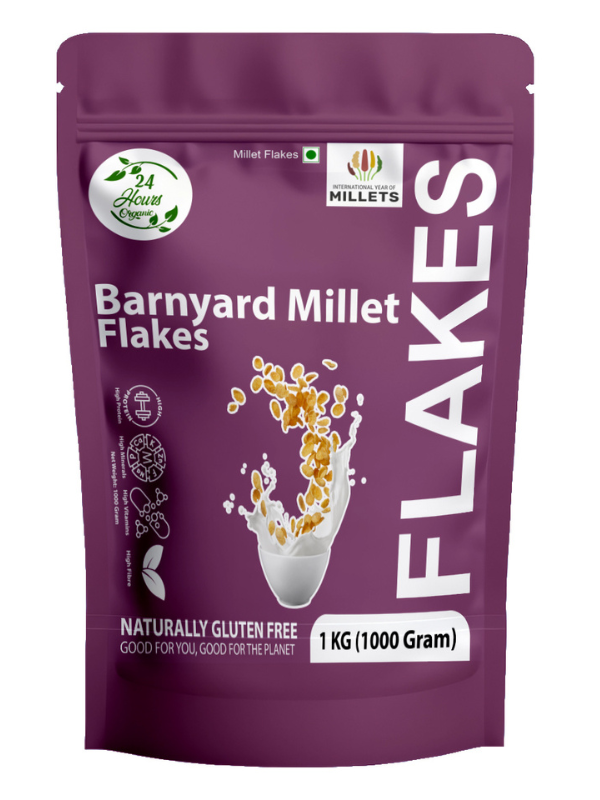
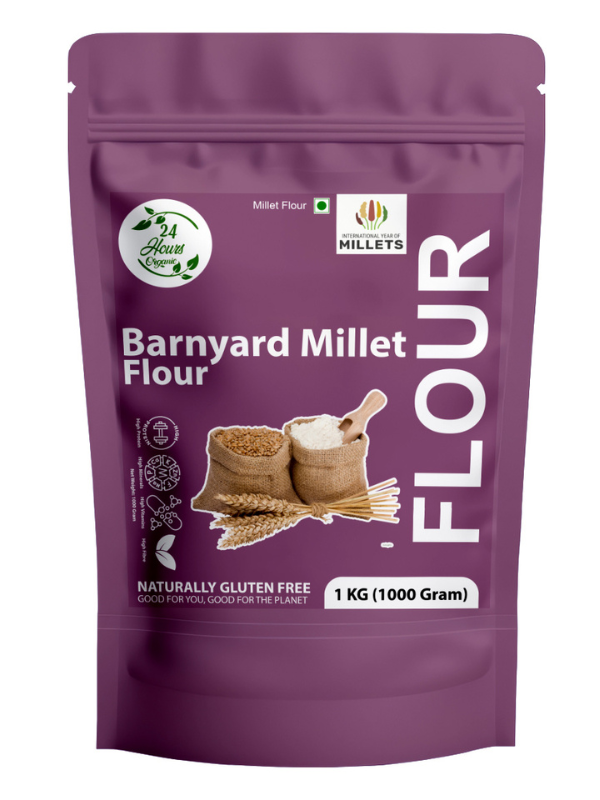
Barnyard Millet Soothes the stomach, good for acidity
Kodo Millet Cleanses the intestines and improves gut health
These are great choices if you want good digestion.
Millets That Need More Hydration
Some millets need more water and balance:
Millet Reason
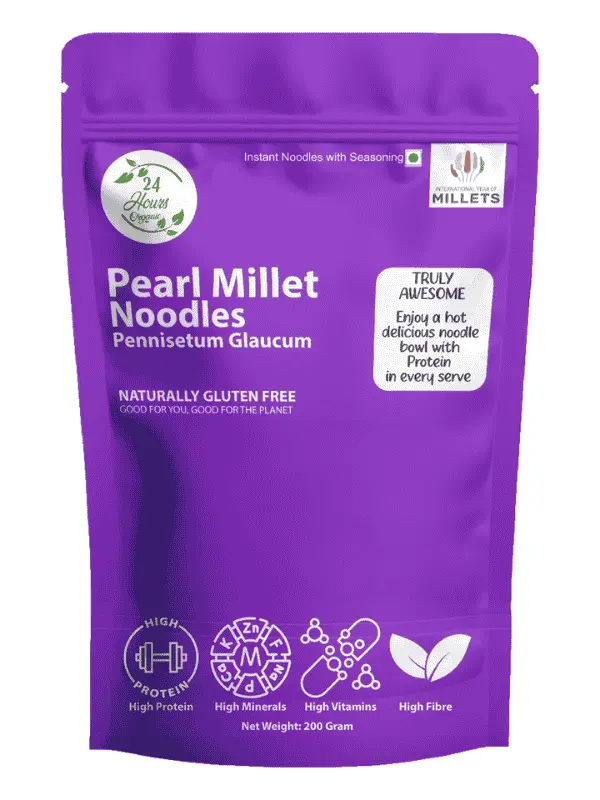
- Bajra (Pearl Millet) Heavy grain, needs curd/water
- Ragi (Finger Millet) Drying if water intake is low
Tips:
- Cook with curd, buttermilk or ghee
- Drink enough water
How to Avoid Constipation While Eating Millets
Follow these simple tips:
- Soak millets for 4–8 hours before cooking
- Drink sufficient water daily
- Add ghee, curd, buttermilk to the diet
- Start with a small quantity if you are new
- Combine millets with vegetables & pulses
- Avoid a millet-only diet — variety is important
Best Millet Dishes for Good Digestion
Try these easy meals:
- Millet curd rice
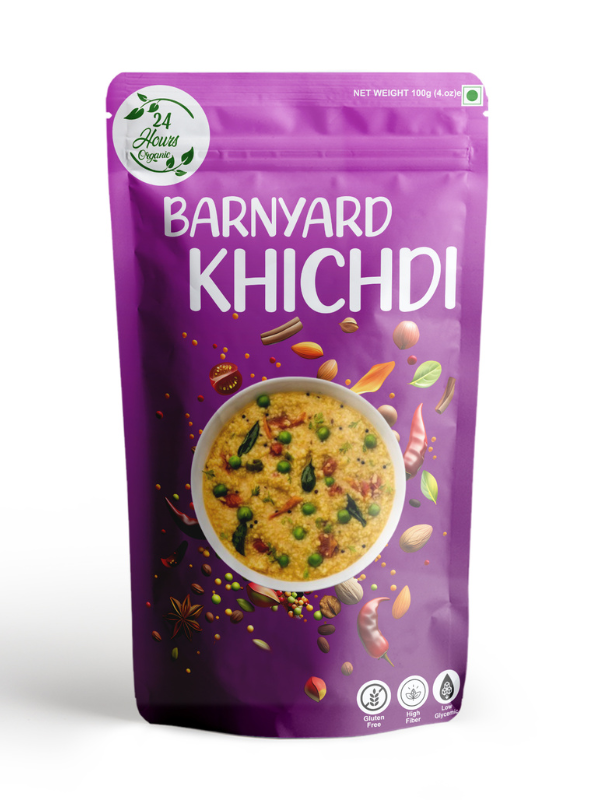
- Millet khichdi
- Millet porridge
- Millet dosa or idli
- Vegetable millet upma
These dishes are light, cooling and stomach-friendly.
Who Should Start Slowly?
- People who eat low-fibre diets
- Individuals with weak digestion
- Kids & elderly (start with soft millet dishes)
Conclusion
So, to sum up, millets do not cause constipation. They are gut-friendly, natural, and support healthy digestion when eaten with enough water and cooked correctly. This understanding can give you confidence in your dietary choices.
They are gut-friendly, natural and support healthy digestion —
If eaten with enough water and cooked correctly.
Choose high-quality organic millets from Rishi Millets & Organic Store, a trusted supplier known for their commitment to organic farming and sustainable practices, and enjoy a healthy digestion journey naturally.
Frequently Asked Question
Q1: Is millet good for constipation?
Yes, millets help relieve constipation when cooked correctly.
Q2: Which millet is best for digestion?
Foxtail, Barnyard, Little and Kodo millets work best.
Q3: Can ragi cause constipation?
Ragi may cause dryness if water intake is low — balance with curd or buttermilk.
Q4: How much millet should one eat daily?
Start with 1 cup cooked millet per day and increase gradually.