

Introduction
Millets have been a part of Indian food culture for thousands of years, especially in South India, due to their health benefits. Among these, foxtail millet, or Thinai, is one of the most nutritious and is gaining popularity in modern diets for its health advantages.
In Tamil Nadu, this ancient grain is called Thinai (திணை) and has been widely used in traditional recipes for generations. Today, many people are rediscovering its value as a healthy alternative to rice and wheat.
Foxtail Millet in Tamil
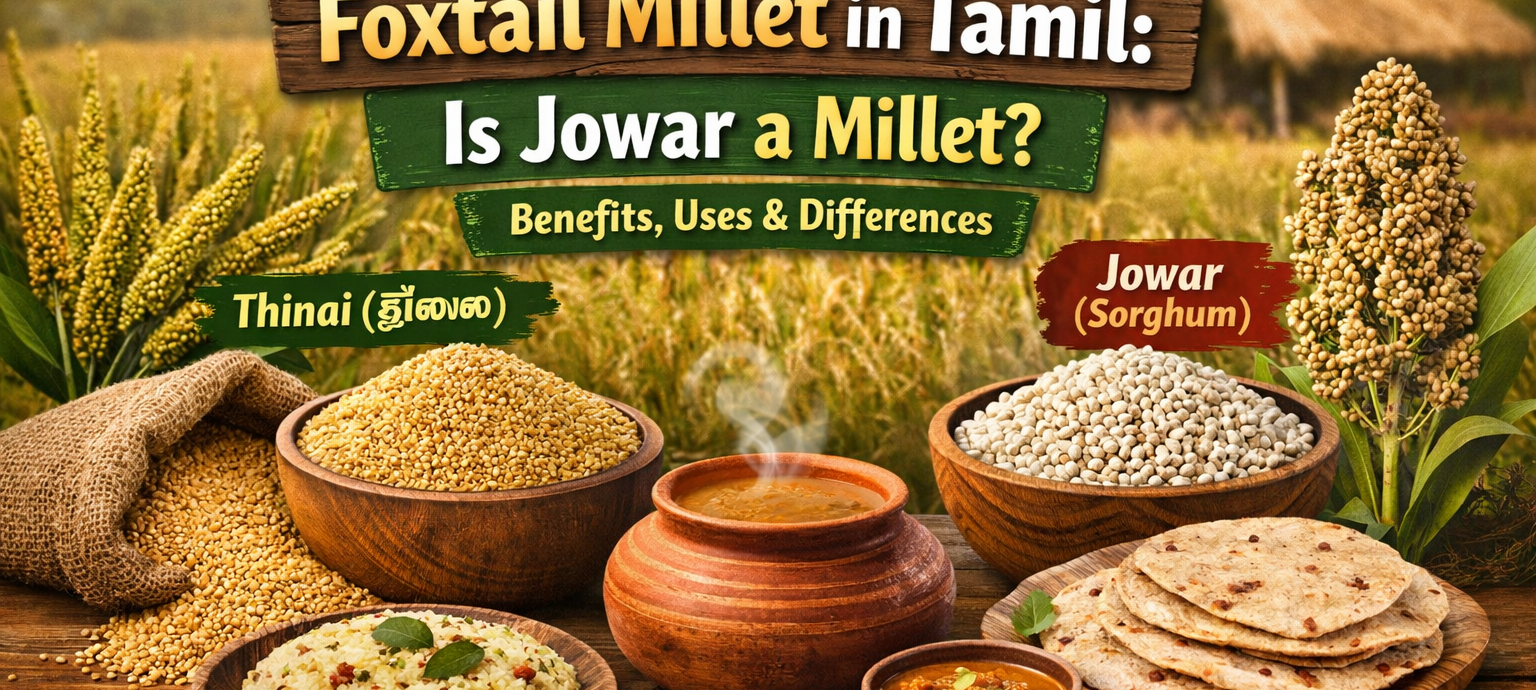
The term Foxtail Millet in Tamil is Thinai (திணை). It holds a special place in Tamil culture and is even mentioned in ancient Tamil literature. Thinai was once a staple food and was used in both daily meals and festive dishes, fostering a sense of cultural pride and tradition.
Even today, it is commonly used in preparing dishes like Thinai Pongal, sweet ladoos, and porridge, making it a versatile and traditional grain.
What is Thinai Millet?
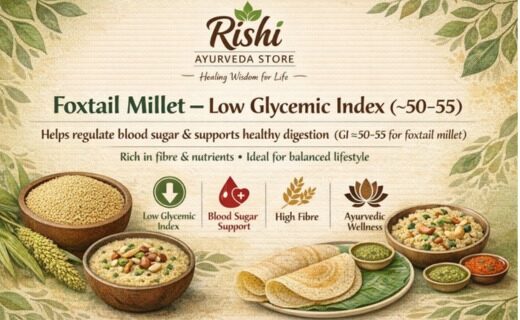
Thinai belongs to the group of small millets, which are known for their high nutritional value. It is a gluten-free grain that is easy to digest and suitable for all age groups. One of its key advantages is its low foxtail millet glycemic index, which helps in better blood sugar control.
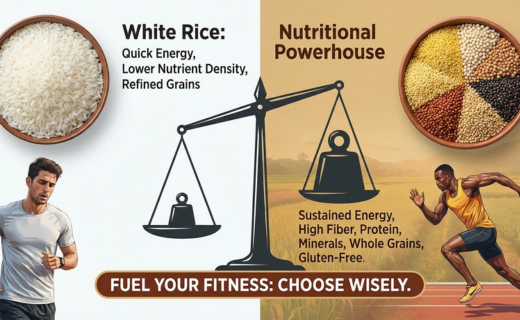
Compared to refined grains, this traditional option retains more fibre and essential nutrients, making it a healthier choice for daily consumption, especially for those looking to manage diabetes and maintain steady energy levels.
Nutritional Value of Thinai
This ancient grain is packed with important nutrients:
- High in dietary fibre
- Good source of protein
- Rich in iron and minerals
- Low in glycemic index
- Naturally gluten-free
These properties make it an excellent addition to a balanced diet.
Health Benefits of Thinai
Adding this nutritious grain to your meals can provide several health benefits, including improved digestion, blood sugar management, weight control, heart health, and suitability for gluten-sensitive individuals.
1. Supports Digestion
Its high fibre content helps improve digestion and prevent constipation.
2. Helps Manage Blood Sugar
The low glycemic index makes it suitable for people managing diabetes.
3. Aids in Weight Loss
It keeps you full for longer, reducing unnecessary hunger.
4. Good for Heart Health
Rich nutrients support overall heart function.
5. Gluten-Free Option
Perfect for people with gluten sensitivity or those looking for healthier alternatives.
How to Cook Thinai
Cooking Thinai is simple and similar to rice, making it easy to incorporate into your routine without feeling overwhelmed or uncertain.
Basic Cooking Method
- Wash the grains thoroughly
- Soak for 15–20 minutes
- Cook with 2 cups of water for 1 cup of millet
Popular Recipes Using Thinai
You can easily include this grain in your daily meals:
- Thinai Pongal
- Millet Upma
- Healthy Khichdi
- Sweet Porridge
- Millet Idli or Dosa
It can also be used as a rice substitute in most dishes.
Why Choose Rishi Millet Store
At Rishi Millet Store, we offer high-quality millets carefully sourced to preserve their natural goodness. Our goal is to help you switch to healthier food choices with traditional grains.
Choosing the right quality ensures better taste, nutrition, and overall health benefits.
Conclusion
Thinai is not just a traditional grain but a powerful addition to a modern healthy lifestyle. Its rich nutrition, versatility, and health benefits make it a perfect choice for everyday meals.
By including this ancient grain in your diet, you can take a simple step towards better health and well-being.
Frequently Asked Question
1. What is Foxtail Millet in Tamil?
Foxtail millet is called Thinai (திணை) in Tamil.
2. Is Thinai good for diabetes?
Yes, it has a low glycemic index, making it suitable for managing blood sugar levels.
3. Can I replace rice with Thinai?
Yes, it can be used as a healthier alternative to rice.
4. Is Thinai gluten-free?
Yes, it is naturally gluten-free and easy to digest.