




How to Use Millets in Daily Life
Today, more people are shifting from refined grains to healthier ancient grains. Millets are rich in fibre, minerals, and plant protein, helping with digestion, weight balance, and long-term health. But the main question many users ask is: How to use millets in daily life in a simple and tasty way? This guide will help you add millets easily to your routine and enjoy their real benefits.
What Makes Millets a Smart Daily Choice?
Millets are:
- Naturally gluten-free
- Low glycemic index (suitable for diabetes control)
- Rich in iron, calcium, zinc, and antioxidants
- Great for heart and gut health
They keep you full longer, helping manage hunger and weight.
The Versatile Millets and Their Everyday Benefits
Each millet has its own nutritional advantage:
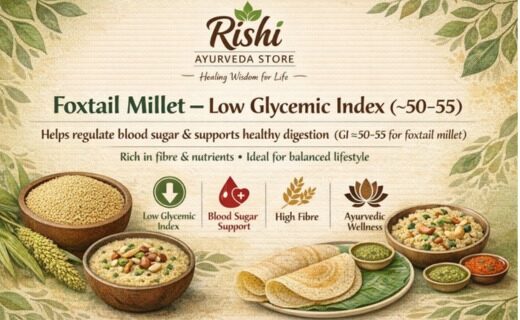
Foxtail Millet
Boosts metabolism and supports weight control.
Little Millet
High fibre—great for digestion and daily energy.
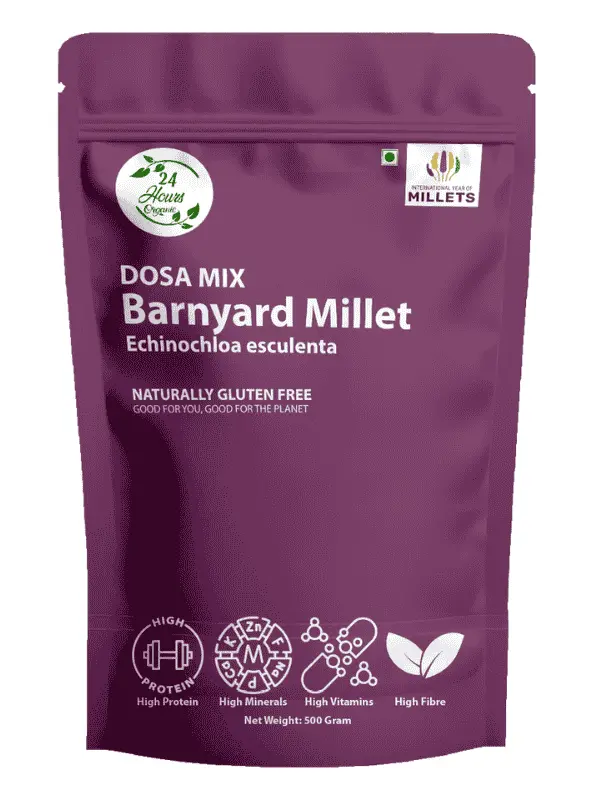
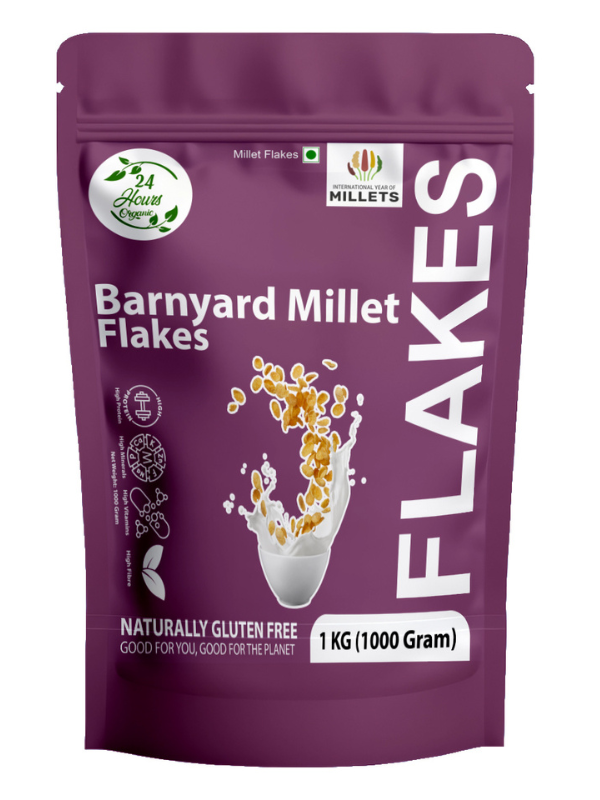
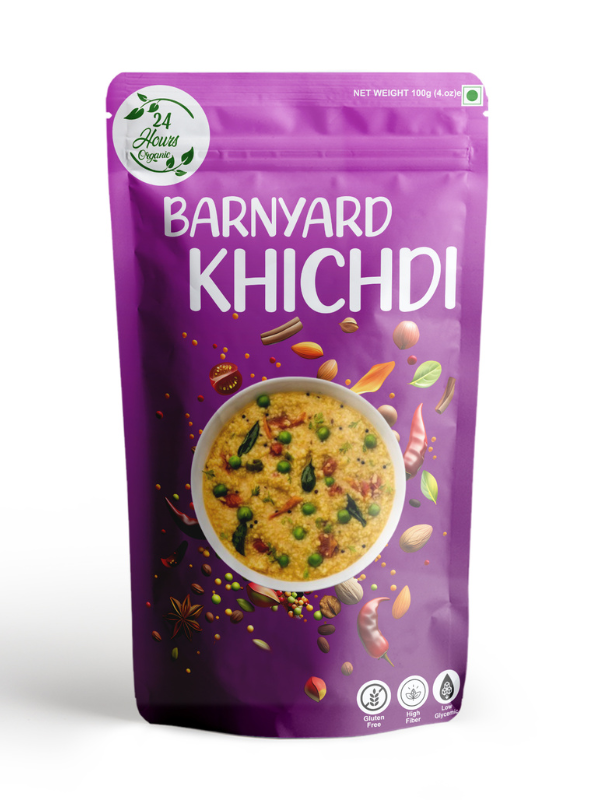
Barnyard Millet
Low carbs—ideal for sugar management.
Kodo Millet
Improves gut health and immunity.
Finger Millet (Ragi)
Excellent for calcium and strong bones.
How to Easily Incorporate Millets into Daily Life Breakfast Ideas
- Millet porridge instead of wheat daliya
- Millet dosa/idli using foxtail or little millet
- Ragi or bajra roti with vegetables
- Millet poha or upma for a quick, nutritious start
Lunch & Dinner Ideas
- Replace white rice with cooked foxtail or kodo millet
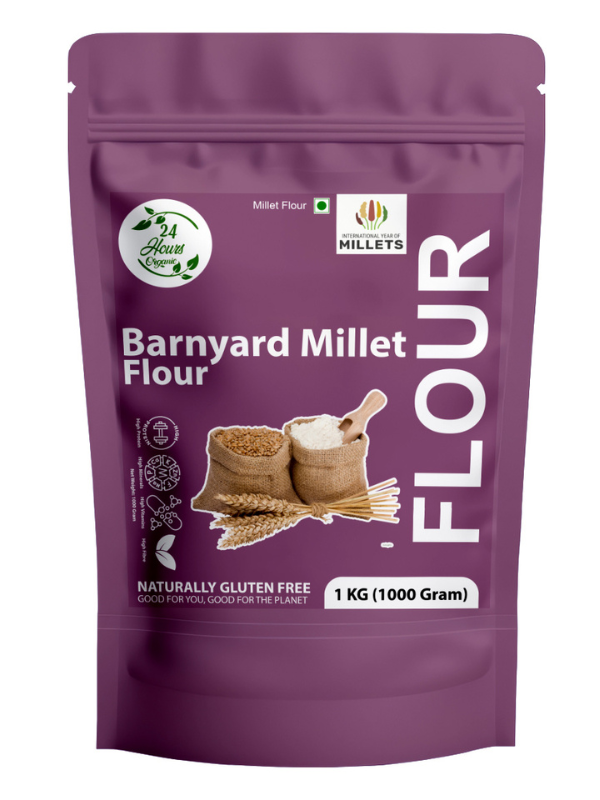
- Mix millet flour with wheat to make softer rotis
- Millet khichdi with moong dal for a light meal
Snacks & Healthy Munching
- Millet chivda or roasted snack blends (like Rishi Millet snacks 😄)
- Millet cookies or homemade energy ladoo
- Millet salad bowls with veggies and seeds
Drinks & Smoothies
- Ragi malt
- Millet-based smoothie bowls
Small changes daily can turn into a massive health upgrade!
How Much Millet to Eat Per Day?
Dieticians recommend:
Age Groups Suggested Daily Quantity
| Age Group | Suggested Daily Quantity |
| Adults | 1–2 servings (50–100g uncooked) |
| Elderly | 1 serving |
| Kids | ½ to 1 serving |
Tip: Don’t eat the same millet every day. Rotate different varieties across the week for complete nutrition.
Best Cooking Practices for Daily Millet Consumption
Follow these tips for better taste and digestion:
- Soak millets for 6–8 hours before cooking
- Rinse well to remove bitterness and dust
- Cook on a low flame for a fluffy texture
- Avoid too much millet if you have thyroid—moderation is essential (especially bajra and ragi)
These methods help improve nutrient absorption and reduce anti-nutritional factors.
Who Should Be Careful with Millets?
Consult a nutritionist if you have:
- Thyroid concerns
- Kidney problems
- Digestive issues like bloating initially
Start slow → let your system adjust.
Daily Millet Intake + Smart Food Pairing
Combine millets with:
- Vegetables for vitamins
- Dal/legumes for protein
- Ghee or olive oil for healthy fats
This ensures a balanced and satisfying meal.
Conclusion
Including millets daily is not complicated. With simple swaps like millet roti instead of wheat or millet upma instead of suji, anyone can enjoy a healthier plate.
- Rotate millets
- Cook properly
- Follow the correct quantity
A slight change in your kitchen can bring a significant change in your lifestyle.
Frequently Asked Question
1 What is the best way to include millets in everyday meals?
You can replace refined grains with millets in simple recipes like roti, rice, porridge, idli, poha, salads, and snacks. Start with one daily meal and slowly increase.
2 How much millet should I eat per day?
Most adults can consume 50–100 grams of uncooked millet per day, depending on their activity level and health needs.
3 Can we eat millets every day?
Yes. Millets are suitable for daily use when eaten in moderation and rotated. Avoid sticking to just one type every day.
4 How do beginners start adding millets to daily life?
Begin by mixing millet flour with wheat for rotis or swapping rice with cooked millets 2–3 times a week. Gradually introduce millet snacks and breakfast dishes.
5 Are millets good for weight loss and sugar control?
Yes, millets are high in fiber and have a low glycemic index, helping manage hunger and blood sugar levels naturally.
6 Which millet is best for daily consumption?
Foxtail, little, barnyard, and kodo millets are excellent for regular meals. Finger millet (ragi) and pearl millet (bajra) can also be included occasionally.
7 Can kids and elderly people eat millets every day?
Absolutely! Millets support growth and energy in kids and help with digestion in older adults. Adjust portions based on age.
8 Do millets cause gas or digestion issues?
This may happen if you suddenly increase the quantity. Soak and wash millets well before cooking, and allow your body time to adapt.
9 When should I not eat millets daily?
If you have thyroid issues, kidney problems, or food sensitivity, consult a doctor for personalized guidance.
10 What is the best time to eat millets?
Morning and lunchtime are ideal since millets take longer to digest and provide stable energy throughout the day.