



Rice has been a staple food in Indian households for generations. But in recent years, millets have made a powerful comeback. Many people are now asking Rice vs Millet: which one is better for health?
If you are confused about whether to continue eating rice or switch to millets, this detailed guide will help you make the right choice.
Let’s compare both from a nutritional and practical point of view.
What is Rice?
Rice is one of the most commonly consumed grains in India and across the world. It is available mainly in two types:
- White Rice
- Brown Rice
White rice is polished and refined, which removes most of its fiber and nutrients. Brown rice retains more fiber and nutrients but is still high in carbohydrates.
What is Millet?
Millets are small-grained ancient cereals that have been consumed in India for thousands of years. Some popular types include:
- Pearl Millet (Bajra)
- Finger Millet (Ragi)
- Foxtail Millet
- Kodo Millet
- Little Millet
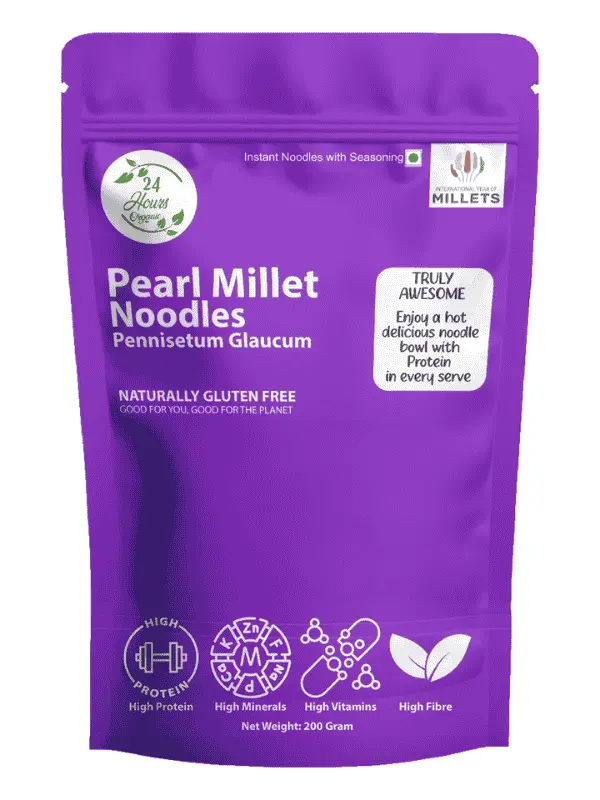
- Millets are naturally rich in fiber, protein, vitamins, and minerals.
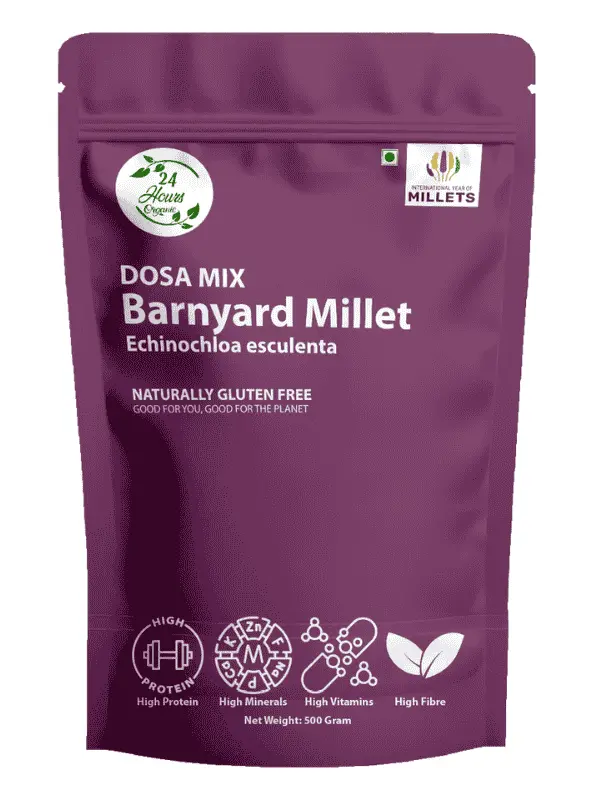
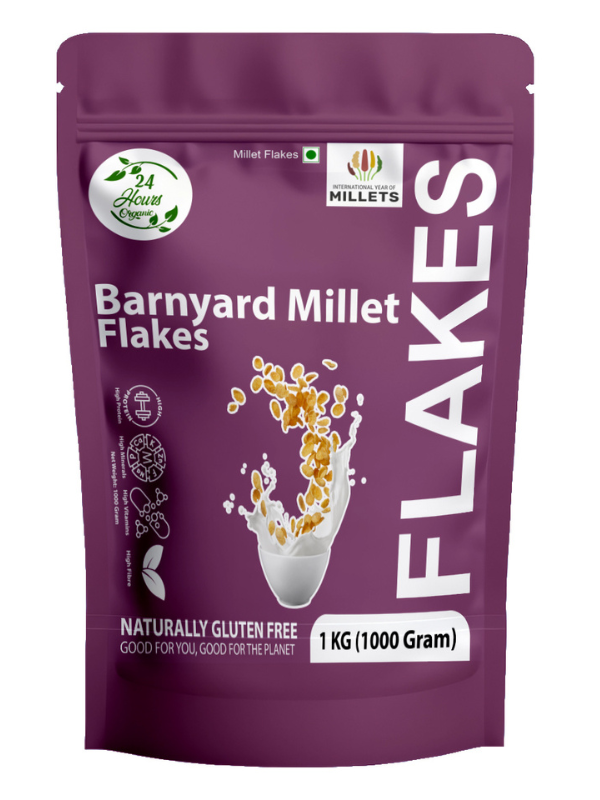
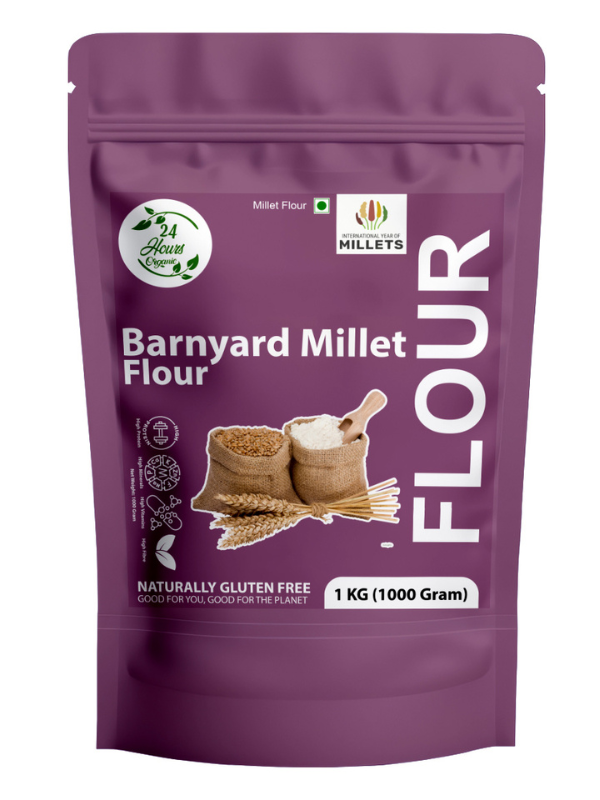
If you want to explore premium-quality millets, you can check our collection at Rishi Millet Store products .
Rice vs Millet: Nutritional Comparison
Here is a clear comparison table to help you understand the difference better.
| Nutrient (per 100g approx.) | White Rice | Brown Rice | Millet |
| Calories | 130 kcal | 111 kcal | 119 kcal |
| Carbohydrates | 28% | 23% | 22–24% |
| Protein | 2.7% | 2.6% | 3.5–4.5% |
| Dietary Fiber | 0.4% | 1.8% | 7–9% |
| Fat | 0.3% | 0.9% | 1.5–4% |
| Iron | 0.2% | 0.4% | 2–3% |
| Calcium | 0.01% | 0.02% | 3–35%* |
| Glycemic Index | 70–75 | 50–55 | 45–55 |
| Gluten | 0% | 0% | 0% |
Ragi (Finger Millet) is especially high in calcium (around 344 mg per 100g).
Key Observations:
- Millets contain 2–3 times more fiber than brown rice and much more than white rice.
- Protein content in millet is higher compared to rice.
- Millets have a lower glycemic index, making them better for blood sugar control.
- Calcium content is significantly higher in certain millets like ragi.
Rice vs Millet for Weight Loss
If weight loss is your goal, millets are usually a better option.
Why Millet is Better for Weight Loss:
- High fiber keeps you full for longer
- Slower digestion prevents overeating
- Lower glycemic index controls sugar spikes
- Helps reduce belly fat
Rice, especially white rice, is digested quickly and can make you feel hungry again within a short time.
If you are planning a healthier switch, consider adding millets gradually to your daily meals.
Rice vs Millet for Diabetes
One of the biggest concerns today is rising diabetes levels.
Rice:
- White rice has a high glycemic index.
- It increases blood sugar quickly.
- Not ideal for diabetic patients if consumed regularly in large quantities.
Millet:
- Low glycemic index.
- Slower release of glucose.
- Helps manage blood sugar levels.
- High fiber improves insulin sensitivity.
- For people managing diabetes, millets are often a safer and smarter option.
Do you know which millet is best for diabetic ?
Digestive Health: Which is Better?
Millets clearly win when it comes to digestion.
Millet Benefits:
- High fiber improves bowel movement
- Prevents constipation
- Supports gut health
- Good for people with acidity issues
White rice contains very little fiber, which may lead to digestive problems if consumed excessively.
Energy & Daily Consumption
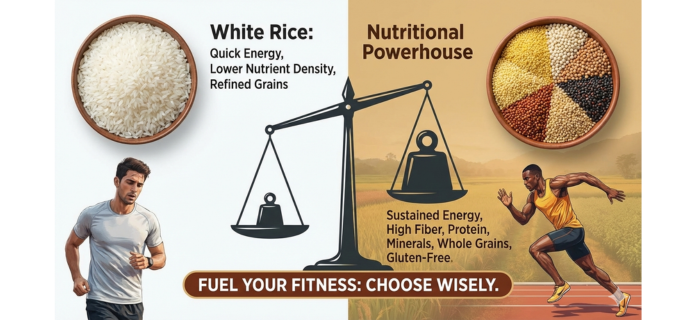
Rice gives quick energy because it is rich in simple carbohydrates. That’s why it is commonly eaten during lunch.
Millets provide sustained energy because they digest slowly and keep you active for longer hours.
If you work long hours or need steady energy, millet-based meals can be a great option.
Do you know how much eat millet in daily life ?
Environmental Impact: Rice vs Millet
This is something many people ignore.
Rice Farming:
- Requires a lot of water
- High methane emission
- More chemical fertilizers
Millet Farming:
- Requires very less water
- Grows in dry climates
- More environmentally sustainable
- Climate-friendly crop
Choosing millet is not just good for your health but also for the planet.
Who Should Choose Rice?
Rice can still be suitable for:
- People who need quick energy
- Athletes (post-workout meals)
- Individuals with weak digestion (in small quantities)
- Occasional consumption in balanced diet
Who Should Choose Millet?
Millets are ideal for:
- Weight loss seekers
- Diabetic patients
- People with PCOS
- Heart patients
- Those looking for gluten-free diet
- Anyone wanting better digestion
Do you know which millet is gluten-free ?
Can You Completely Replace Rice with Millet?
You don’t have to stop eating rice completely.
A smart approach is:
- Replace rice 3 to 4 times a week with millet
- Mix millet and rice together
- Use millet flour for roti or dosa
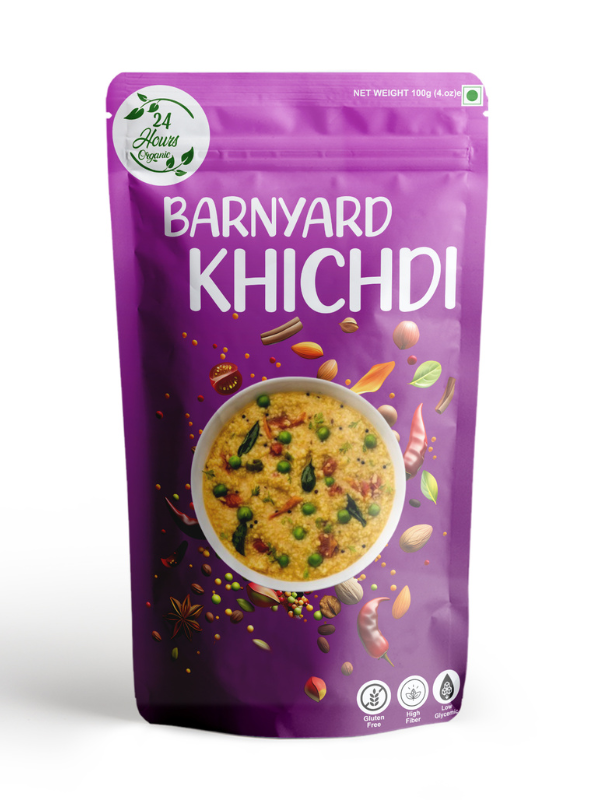
- Try millet khichdi, upma, or pulao
Small changes can create big health benefits.
Final Verdict: Rice vs Millet
When we compare overall nutrition, fiber, blood sugar control, and sustainability, millets are clearly the healthier option.
Rice is not bad, but excessive white rice consumption may lead to:
- Weight gain
- Sugar spikes
- Low fiber intake
Millets offer:
- Better nutrition
- Improved digestion
- Blood sugar control
- Long-lasting energy
- Sustainable farming benefits
If you are looking to switch to a healthier lifestyle, it’s the right time to include millets in your daily diet.
Explore our premium and chemical-free options at buy organic millets online from Rishi Millet Store.
Frequently Asked Questions
1. Is millet healthier than rice?
Yes, millet is generally healthier due to higher fiber, protein, and lower glycemic index.
2. Can I eat millet daily?
Yes, millets can be eaten daily in moderate quantities as part of a balanced diet.
3. Which millet is best for diabetes?
Foxtail millet and little millet are considered good options for diabetes management.
4. Does millet reduce belly fat?
Millet helps in weight management because of high fiber and slow digestion.
5. Is rice completely unhealthy?
No, rice is not unhealthy. The problem arises with excessive white rice consumption.